





Trauma Therapy for Women & Teens
Trauma doesn't always come from a single catastrophic event. It can develop through chronic stress, difficult childhood experiences, unhealthy relationships, or experiences you've told yourself weren't “bad enough” to count. The effects can continue showing up long after the experience itself — in your reactions, your relationships, your sense of safety, and the way your body responds to stress.
Trauma therapy isn't about forcing you to relive what happened or talk about painful details before you're ready. It's about helping you understand how past experiences may still be affecting you, develop a greater sense of safety and control, and work through those experiences at a pace that feels manageable.
What UnresolvedTrauma Can Look Like
Trauma doesn’t always look like flashbacks or nightmares. Sometimes its effects are easier to mistake for stress, anxiety, relationship difficulties, or simply “how I am.”
- Feeling constantly on guard or unable to fully relax
- Emotional numbness or feeling disconnected from yourself or others
- Intrusive memories, nightmares, or strong reactions to reminders
- Difficulty trusting others or feeling safe in relationships
- Shame, guilt, self-blame, or feeling that something is wrong with you
- Avoidance, anxiety, irritability, or physical tension connected to past experiences
These patterns can develop after a recent experience or something that happened years ago.
Trauma Comes in Many Forms
One of the most common barriers to seeking trauma therapy is wondering whether what you experienced was “serious enough” to count. Trauma can come from many different experiences, and its impact isn't determined only by what happened, but also by how the experience affected you. Some of the types of trauma I work with include:
Childhood and Developmental Trauma
Neglect, emotional or physical abuse, instability at home, or growing up in an environment where you didn't feel safe or valued can continue to influence how you experience relationships, emotions, safety, and yourself long after the circumstances have changed.

Relational and Interpersonal Trauma
Betrayal, emotional abuse, controlling relationships, infidelity, or other painful relationship experiences can affect trust, self-worth, boundaries, and your sense of safety with others. Relational trauma can be especially difficult to recognize when there isn't one clear event to point to.
Grief and Loss as Trauma
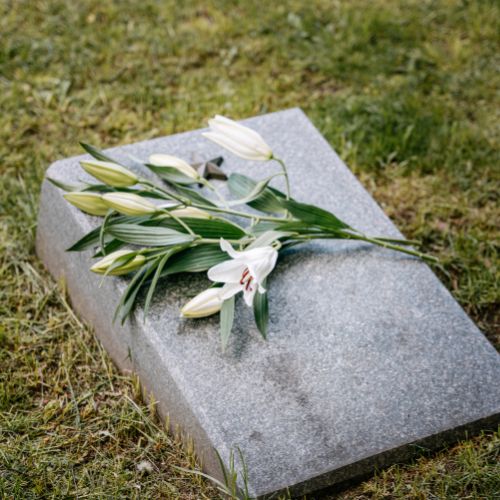
Sudden or traumatic loss — including losing someone unexpectedly, through violence, or to suicide — can bring grief, shock, and trauma together in ways that feel difficult to process. You may struggle with guilt, anger, anxiety, or intrusive memories. Therapy can provide space to process both the loss and its ongoing impact.

PTSD and Acute Trauma
A car accident, assault, medical emergency, witnessing violence, or another sudden and frightening experience can have lasting effects. You may experience intrusive memories, nightmares, avoidance, heightened alertness, or strong reactions to reminders of what happened.
Trauma - How Therapy Works
Trauma therapy begins with safety and trust. We work at a pace that feels manageable, with attention to how past experiences may be affecting your emotions, relationships, thoughts, and your body's responses in the present.
Frequently Asked Questions
You Don’t Have to Carry It Alone
Past experiences can continue to affect how you feel, respond, and connect with others long after they’re over. Therapy can give you space to understand what you’ve been carrying and begin moving forward at a pace that feels manageable.
Mon - Thurs: 9 AM - 5 PM
Fri: 9 AM - 3 PM
Sat - Sun: Closed